

Embarking on the journey of dating can be both an exhilarating and a daunting endeavor, particularly when navigating the waters with a disability. At the heart of this voyage is the cornerstone of self-confidence and self-acceptance. It is the sparkle that catches a potential partner’s eye and the foundation upon which meaningful connections are built. As we delve into the intricacies of modern romance, it becomes clear that embracing oneself is the first step towards carving out rewarding shared experiences with others. This exploration addresses not just the emotional landscape of dating but the practicalities as well, such as the significance of ensuring accessibility and cultivating a spirit of open communication. In the age of digital courtship, inclusivity extends to the online realm, where the disabled community seeks and finds kindred spirits through virtual platforms. Let us embark on this illuminating journey to decode the art of dating with disabilities, where each individual is empowered to shine in the spotlight of their own narratives.
Self-Confidence & Self-Acceptance
Developing Self-Confidence and Self-Acceptance in Dating: A Vital Approach to Relationship Success
In the intricate dance that is dating, self-confidence and self-acceptance emerge as pivotal partners, guiding one’s steps towards meaningful connections and relationship satisfaction. The pursuit of romance, often mired in emotional complexity and vulnerability, demands a robust understanding of self-worth.
The Pillars of Self-Confidence and Self-Acceptance
At the foundation of a successful dating experience lies the dual pillars of self-confidence and self-acceptance. Self-confidence is the assurance in one’s own worth and abilities; it is the spark that ignites the willingness to approach potential partners and to present oneself authentically.
Self-acceptance, a complementary force, involves embracing one’s true self, complete with strengths and imperfections. It is the bastion against the critical inner voice that can sabotage dating efforts. Together, these constructs fortify an individual’s personal identity, thereby influencing interpersonal interactions.
Impact on Initial Encounters
The initial encounter, often a gauntlet of judgments and assessments, is substantially influenced by one’s level of self-confidence. A confident individual approaches these interactions with an air of optimism and openness, which can be captivating and alluring. This disposition mitigates the fear of rejection, allowing for genuine self-expression and situating one in a favorable light.
Self-acceptance shapes the narrative presented to potential partners. By acknowledging one’s worth without the need for external validation, an individual creates a narrative of authenticity in interactions. This honest self-portrayal resonates with potential partners who value sincerity over ostentation.
Navigating the Dating Process
As relationships progress from fledgling meetings to blossoming connections, self-confidence and self-acceptance serve as navigational aids. Self-confident individuals are more likely to establish boundaries and advocate for their needs within a relationship, leading to healthier dynamics.
Simultaneously, an inherent sense of self-acceptance enables individuals to withstand the pressures of conforming to an idealized partner image. Embracing one’s quirks and eccentricities can enrich the dating experience by fostering a deeper, more genuine connection.
Resilience in the Face of Challenges
The inevitable challenges and setbacks inherent in dating can feel less daunting when armored with self-confidence and self-acceptance. The ability to view rejection as a redirection rather than a personal failure stems from a strong sense of self-confidence. This perspective encourages persistence and the continued pursuit of compatible partnerships.
Similarly, self-acceptance ensures resilience by reinforcing an individual’s standards and preferences in partner selection. This robust sense of self acts as a protective barrier against the influence of external criticism and the temptation to settle for less than what one truly desires.
Cultivating Self-Confidence and Self-Acceptance
Cultivating these qualities may involve introspective practices such as positive affirmations, mindfulness, and reflective journaling. Engaging in activities that bolster self-esteem, such as physical exercise or pursuing hobbies, can also enhance one’s confidence.
To solidify self-acceptance, individuals might explore therapeutic avenues like cognitive-behavioral therapy or self-compassion exercises to dismantle negative self-beliefs and foster a nurturing inner dialogue.
In conclusion, the intersection of self-confidence and self-acceptance bears significant implications for the success of one’s dating endeavors. These qualities not only increase the chances of attracting a suitable partner but also lay the groundwork for nurturing a rewarding relationship based on mutual respect and authenticity. As we navigate the complex terrains of human connections, these principles serve as indispensable guides, ensuring that personal growth and satisfaction remain at the heart of the romantic journey.
Navigating Accessibility
Crafting an Inclusive Date Night: Strategies for Universal Enjoyment
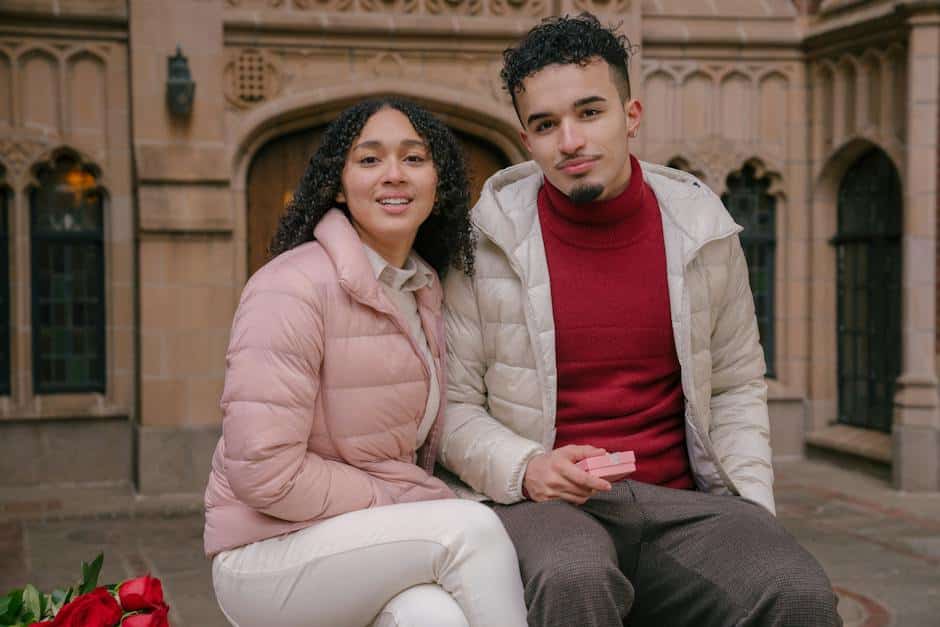
In the intricate dance of dating, the creation of accessible and pleasant experiences is a pivotal factor in nurturing potential connections. This objective is not a mere nicety but a foundational aspect that underpins the success of romantic endeavors. Therefore, it is essential to approach the planning and realization of dates with meticulous consideration, ensuring that all participants feel valued and accommodated.
Facilitating Open Communication
The cornerstone of an accessible date is open communication. Prior to forging plans, engaging in candid discourse allows individuals to express preferences, disclose any pertinent requirements, and share concerns candidly. This preemptive discussion serves to foster a mutual understanding and mitigate potential discomfort. Establishing an environment where open dialogue is welcomed demystifies expectations and crafts an atmosphere of respect and attentiveness.
Selecting a Venue: Criteria for Accessibility
When selecting a venue, consider the diverse needs that individuals may have. Accessibility transcends physical barriers and encompasses a broader spectrum, accounting for sensory sensitivities, dietary restrictions, and personal comfort levels. Venues should be chosen with the intent to neutralize potential stressors, such as crowded spaces or overly stimulating environments. By prioritizing ease of access, clarity of auditory communication, and inclusivity in dietary offerings, one lays the groundwork for a date setting that is comfortable for all participants.
Creating Shared Experiences
Designing a date that is engaging and participatory encourages bonding and lends an air of comfort to the interaction. Activities that necessitate cooperation and communication, such as collaborative games or creative workshops, not only serve as icebreakers but also pave the way for shared memories. By investing in activities that are universally accessible, individuals are granted equal opportunity to partake and contribute to the collective experience, cultivating a sense of unity and belonging.
Modulating Pacing for an Enjoyable Interaction
The rhythm at which a date unfolds is a subtle yet pivotal component in dictating its enjoyment. A measured pace allows room for conversation and deeper connection without overwhelming the senses. Opting for activities or settings where the tempo can be self-regulated affords participants the luxury to engage at a level that is most comfortable for them. Such environments create a relaxed atmosphere free from the pressures of rapid transition or time constraints.
Accounting for Personal Preferences
A thoughtful date planner recognizes the unique preferences and idiosyncrasies of their dating partner. Tailoring the date to include elements that align with their interests demonstrates a personal touch and a level of care that is bound to resonate. Whether it is a preference for a particular genre of food, a fondness for nature, or an appreciation for the arts, integrating these preferences can transform a routine outing into a bespoke experience replete with personal significance.

Concluding Remarks
The pursuit of creating accessible and enjoyable dates serves as a testament to one’s dedication to fostering connections grounded in empathy and understanding. Consideration for comfort, communication, and shared experiences are not only fundamental to a successful date but also reflect a commitment to inclusivity and respect. By adopting these strategies, one can create a welcoming space for romance to flourish and for all individuals involved to feel acknowledged and appreciated.
As practitioners engaged in the art of crafting human connections, it is incumbent upon us to ensure that our efforts in date planning exemplify these principles. Let us aspire to turn the pursuit of accessible and enjoyable encounters into a mainstay of modern dating etiquette.

Online Dating & Inclusivity
Online Dating and Disability: Harnessing Technology for Personal Connections
Navigating the Terrain of Online Dating with Disabilities
The landscape of online dating has been transformed by technological advancements, resulting in a platform that can facilitate romantic connections, regardless of physical limitations or societal barriers. For individuals with disabilities, these virtual spaces offer an unprecedented avenue to explore and build intimate relationships.
Optimizing the Online Dating Profile for Accessibility
As an essential first step, crafting an online dating profile that is both welcoming and informative significantly increases the probability of positive interactions. To achieve this:
- Ensure profile clarity: Communication is the cornerstone of any successful relationship. Begin with a transparent and honest self-description, detailing interests and aspirations that invite genuine engagement.
- Highlighting accessibility requirements: Be upfront about any specific needs or accommodations that might factor into potential dating scenarios. This approach fosters understanding and can help to eliminate any guesswork from future planning.
- Prioritizing authenticity over perfection: Authenticity should be the guiding principle, overshadowing the urge for an idealized presentation. Profiles that reflect the true self are more likely to resonate with others seeking meaningful connections.
Leveraging Online Features to Enhance Compatibility
Online dating platforms often provide various tools and features engineered to aid users in finding compatible matches:
- Use filters effectively: Many dating sites include filters that enable users to screen for certain criteria. Utilizing these tools to find individuals who are open-minded and interested in meeting someone with a disability can be valuable.
- Engaging with matchmaking algorithms: Trust in the algorithms designed to align personal preferences and interests with those of prospective partners, potentially leading to a higher likelihood of compatibility.
- Embracing opportunities for customization: Some platforms offer customizable features that support individuals with specific disabilities, such as text-to-speech for visually impaired users or compatibility with assistive technology.
Fostering Positive Experiences with Thoughtful Communication
To navigate the process of online dating:
- Establish a dialogue of honesty: Maintain a communicative approach seeded in transparency, setting the stage for candid conversations about individual needs and expectations.
- Pursue engagement without pressure: Establish connections at a comfortable pace, availing oneself of the time and space necessary to build trust and rapport without the pressures of immediate physical encounters.
- Tailor communication style: Adapt the method of interaction to match personal abilities and preferences, whether through messaging, voice calls, or video chats.
Drawing Strength from Community Support
Engagement within disability-focused forums and discussion groups can offer valuable insights and emotional support:
- Seek advice from peers: Leverage the collective wisdom of communities comprised of individuals with similar experiences, who can offer guidance on the nuances of online dating while managing a disability.
- Share experiences and strategies: Contributing personal stories and effective approaches within these support networks can cultivate a sense of empowerment and belonging.
- Utilize shared resources: Take advantage of community-curated resources that might include lists of disability-friendly dating platforms or advice on fostering healthy online relationships.
Approaching Online Dating with Adaptive Tactics
In the spirit of adaptation and innovation:
- Embrace alternative dating models: Consider non-traditional forms of dating, such as virtual date nights, which can be customized to address any accessibility considerations and enhance the comfort level of both parties.
- Advocating for inclusive features: Engage with dating platforms to suggest improvements or features that could better accommodate the needs of users with disabilities, contributing to a more inclusive online dating environment.
By leveraging the capabilities of online dating platforms, individuals with disabilities can navigate the world of digital romance with confidence and control. Harnessing these tools with tact and intention can open doors to relationships that may have otherwise been difficult to cultivate. It marks a new chapter in the democratization of dating, where technology serves as a bridge connecting people from all walks of life, regardless of physical or societal hurdles.

The tapestry of dating with disabilities is rich with opportunities and challenges that, when navigated thoughtfully, can lead to profound connections and joyous encounters. We have traversed through the avenues of self-empowerment, the logistics of accessibility, and the digital landscape of connection, uncovering strategies to foster meaningful relationships. As individuals tread their own unique paths, the essence of our discussion remains steadfast: celebrate your individuality, communicate your needs boldly, and embrace the world of dating with open hearts and minds. The right partner will not only revel in the vibrant hues of your personality but will also stand beside you in solidarity, traversing every step of this remarkable journey together. With courage as our compass and authenticity as our guide, the possibilities for love and companionship are boundless.
